Quick answer: Diagnose glue pulling by the observed symptom, then isolate preparation, temperature, tab geometry, adhesive amount, readiness, pull direction, release, and finishing. KECO's named 6C process, Check, Choose, Clean, Coat, Correct, Continue, is a manufacturer sequence rather than a universal setting. The exact adhesive, release agent, surface, repaint, temperature, and equipment instructions govern. Stop when coating history is unknown or the finish changes.
1. How should I clean the panel and tab before glue pulling?
Use only the preparation method allowed by the exact surface, adhesive, and tab instructions. When wax, detailing product, moisture, dust, previous chemicals, or handling is suspected, inspect both bond surfaces and reset with identified materials; but do not assume a universal cleaner or alcohol percentage. Stop if coating history is unknown or cleaning changes gloss, color, feel, or texture, then check the matching instructions and follow the symptom-led troubleshooting guide.
2. How should I select a glue tab?
Select a tab by the visible low, local curvature, surrounding crown, and planned load path. When comparing shapes or footprints, use a readable reflection and confirm that placement does not bridge an edge or hide the working point; however, no tab size or shape guarantees movement or coating safety. Stop if geometry cannot be read, then use the line-board guide and choose another supported tab or repair route.
3. What temperature should I use for glue pulling?
There is no transferable glue-pulling temperature for every adhesive, panel, repaint, glue gun, or environment. When behavior changes across a panel or between attempts, measure or verify the relevant conditions using the exact consumable and equipment instructions; but do not copy KECO's product-specific values into a SuperPDR setup. Check KECO's panel-temperature article as a manufacturer example only, and stop if specified conditions cannot be established or the finish changes.
4. How much glue should I apply to a tab?
Apply only the amount specified by the exact adhesive-and-tab instructions. When transfer is incomplete, overflow appears, or glue remains mainly on one surface, inspect preparation, amount, environment, and readiness separately; but more adhesive is not a default correction and no universal amount is published here. Stop if product identity, storage, compatibility, or instructions are missing, then record one controlled change and recheck the bond pattern with the diagnostic table.
5. Which puller should I choose for a glue pull?
Choose the puller role that can apply and reveal the planned movement with control. I-CAR's Glue Pull Repair overview distinguishes tab, lifter or beam, slide-hammer, and knockdown roles; it does not rank one tool as universally successful or paint-safe. The MPT-T025 slide hammer is listed as 423 g, 35 cm, steel/plastic, with a 12-month listed warranty, OEM/ODM service, and one-piece listed MOQ, but not attachment-inclusive weight, pull force, compatibility, precision, or outcome. Check the documented tool-role requirements and stop when increasing force is the only proposed correction.
6. How should I release a tab and remove glue residue?
Use the exact compatible release agent and release process for the adhesive, tab, and surface. When residue smears, stays mainly on one surface, or resists the specified method, inspect adhesive amount, readiness, and compatibility; but do not substitute a chemical, alcohol percentage, soak time, or scraping method from another system. Stop immediately if removal seems to require aggressive scraping or the finish changes, then document the residue pattern and check the matching product instructions before proceeding.
7. What should I do when an overpull creates a high?
Stop pulling and re-establish the reflection before making another correction. When the former low crosses the reference plane or a crown becomes more pronounced, inspect tab footprint, pull direction, and the last visible movement; but do not assume another pull will reverse the high. Use a supported knockdown role only with readable control, and stop or escalate if texture becomes less readable, the tool marks the surface, or the finish changes.
8. When does paint risk mean glue pulling must stop?
Unknown coating history or any finish change means glue pulling must stop. When repaint, filler, prior body repair, cracking, lifting, whitening, color shift, gloss change, texture change, or a new coating edge is present or uncertain, do not continue with another tab, solvent, release attempt, or heat adjustment. Document the signal, inspect the broader repairability factors, and refer the panel for coating, conventional-repair, or refinishing assessment.
9. Can glue pulling be used when rear access is blocked?
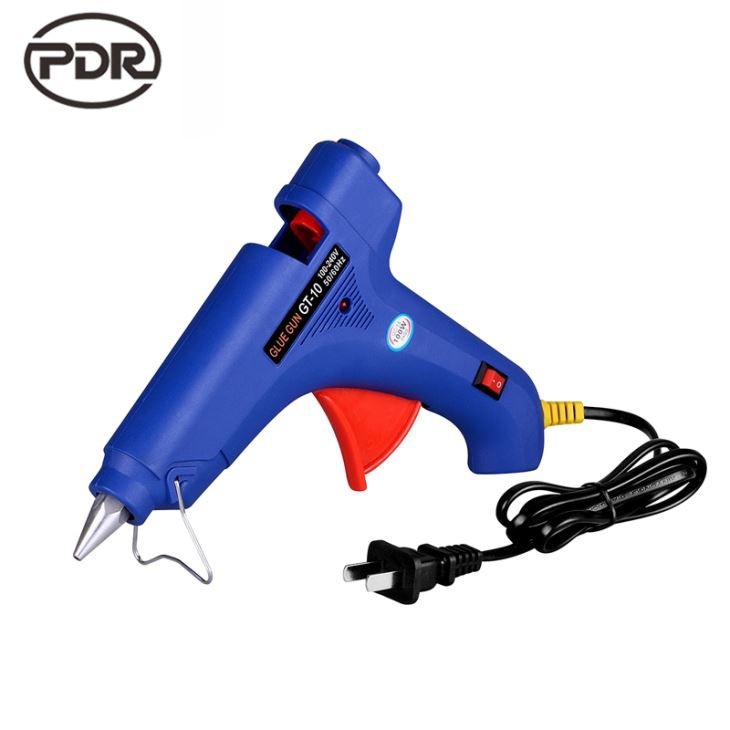
Blocked rear access can justify evaluating an outside-pull route, but it does not approve the coating, consumables, geometry, or tool setup. When inventory is being checked, the MPT-YK0518US kit supports only its visible six-piece metal pull set, T-puller, glue gun, bottle, toolbox, five glue sticks, 20 plastic tabs, nine-piece metal tap-down set, hammer, and 2 kg listed weight. The product 8904 record supports only a dent puller, dent lifter, glue gun, ten glue sticks, 15 glue tabs, rubber hammer, and tap-down set with ten heads. Neither proves tab colors, adhesive compatibility, dent-size suitability, labor saving, or completeness. Stop if the exact system and controlled route remain unresolved, then check every missing role separately.
10. What does final finishing require after glue pulling?
Final finishing requires a separate reflection-guided check for residual lows, highs, crowns, waves, contact marks, and coating texture. When a supported high or crown remains, the MPT-H100-1 tap-down provides only verified aluminum/plastic construction, replaceable tips, and a tap-down role; it does not prove OEM-texture preservation or a guaranteed finish. Inspect the selected tip, use practiced control, and stop if it is loose, damaged, contaminated, leaves marks, or makes the texture less readable; choose conventional repair or refinishing when the final condition requires it.
Editorial review
- Super PDR: SuperPDR Editorial Team
- Review date: 2026-07-14
- Review basis: Editorially checked against KECO's named 6C process and manufacturer-specific panel-temperature example, I-CAR's GPR role-planning overview, and the four verified SuperPDR product records used on this page. No individual technical reviewer is claimed.
- Revision note: Expanded to ten standalone glue-pulling answers covering setup, route, release, paint-risk, product evidence, and finishing decisions.
