

How to Build a Professional PDR Starter Set: Tool Roles, Access Logic, and Upgrade Path
Buying more tools does not automatically create a better PDR setup. A professional starter set should cover the most common access situations with a clear logic for roughing, control, finishing, and support tools.
This guide helps buyers evaluate a starter set by role coverage rather than by product count alone.
The commercial value of this topic is that many first-time buyers do not fail because they bought “bad tools”; they fail because they bought an unclear mix of tools. A professional starter set should therefore be designed around repair roles, learning curve, and upgrade path.
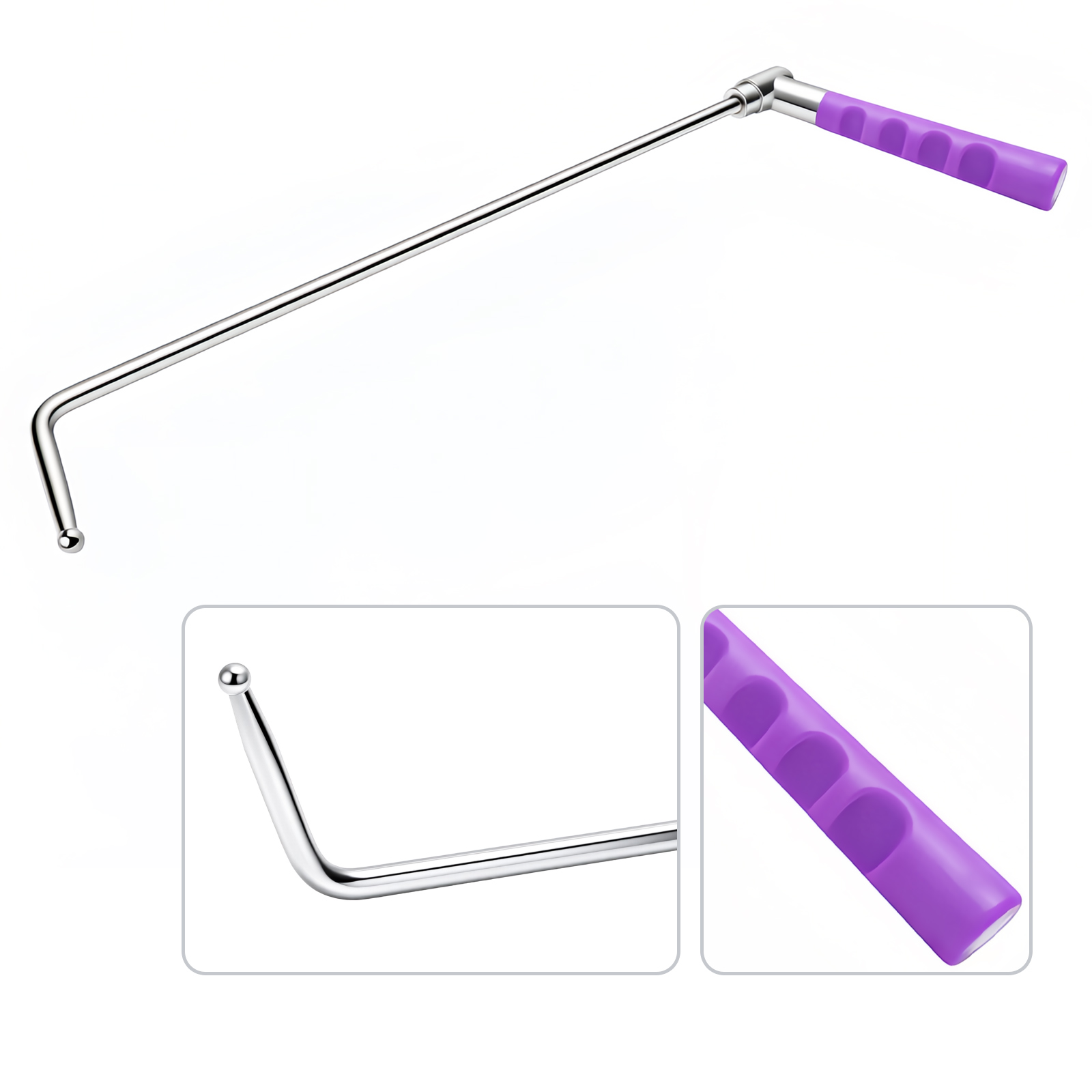
3.1 What a starter set must actually cover
A useful starter set should solve the first layer of real work without pretending to solve every advanced access case. Coverage and clarity matter more than impressive item count.
- Door and side panel access
- Hood and trunk working scenarios
- Basic glue-pulling support
- Reading and finishing tools
- Everyday carry convenience for mobile work
3.2 Tool roles instead of random bundles
A good set should assign tools to repair roles, not just fill a case with mixed shapes.
For that reason, the most teachable bundles are usually organized around access, control, reading, finishing, and support items. This makes the logic of the set easier to explain to both technicians and distributors.
- Primary leverage rods for common access
- Control rods or smaller tools for tighter work
- Tips and finishing tools for pressure management
- Reading tools for dent mapping and QC
3.3 Access logic matters more than quantity
Two buyers can own the same number of tools and still get very different outcomes. Coverage quality depends on whether the set solves real access paths efficiently.
Low-price bundles often create hidden costs when key accessories are missing. The buyer saves money up front but loses time later because normal repairs still require immediate add-ons.
- Curvature and panel depth affect rod usefulness.
- Brace points and leverage requirements change tool choice.
- A smaller, rational set often beats an oversized but inconsistent kit.
3.4 Planning an upgrade path
Starter sets should not pretend to solve every advanced repair. A better approach is to define a first-stage working set and a later expansion path.
For B2B buyers, bundle consistency also matters. If the starter set changes from batch to batch without documentation, training content and sales explanation become harder to keep aligned.
- Standardize the core access and finishing tools first.
- Add specialized rods or tabs after real job feedback.
- Expand by scenario gaps, not by impulse buying.
3.5 What distributors should explain clearly
Upgrade path is part of good starter-set design. Buyers should be able to understand what the initial set covers, which jobs require the next layer of tools, and which consumables must be replenished regularly.
- Which jobs the starter set is designed for
- Which scenarios require add-on tools
- How replacement tips or accessories are selected
- How training support reduces early misuse
3.6 Procurement checklist for B2B buyers
For shops and training centers, starter-set evaluation should include not just contents but consistency, support, and expansion logic.
A strong starter set page should therefore help the user choose, not overwhelm them. Good merchandising and good training logic are often the same thing in different language.
- Role coverage clear
- Access logic reasonable
- Consumables/accessories easy to restock
- Upgrade path defined
- QC and after-sales documentation available
Checklist
- Core repair roles are covered by the set
- Access logic documented for common panels
- Reading and finishing tools included
- Upgrade path defined for future expansion
- Accessory replacement plan is clear
- Training or usage guidance available
Frequently Asked Questions
Q1: Should a starter set include every possible rod shape?
A: No. It should cover the most common repair roles first, then expand based on actual scenario gaps.
Q2: Why do some large kits still feel incomplete?
A: Because quantity without access logic creates overlap instead of useful coverage.
Q3: Is a starter set relevant for wholesalers?
A: Yes. A clearly structured starter offer helps distributors explain value, reduce confusion, and support upsell paths.