

According to recent reports, the EU will move away from its original proposal of a 100% ban on new internal-combustion engine (ICE) vehicle sales by 2035.
The revised policy will allow continued sales of ICE and hybrid vehicles as long as manufacturers meet a 90% emissions-reduction target compared with today’s levels.
This policy shift comes after strong opposition from Germany, Italy, and several major automakers, who argued that a total ban was unrealistic given current EV adoption rates, charging-infrastructure gaps, and the financial burden on both industry and consumers.
(Reported by Reuters)
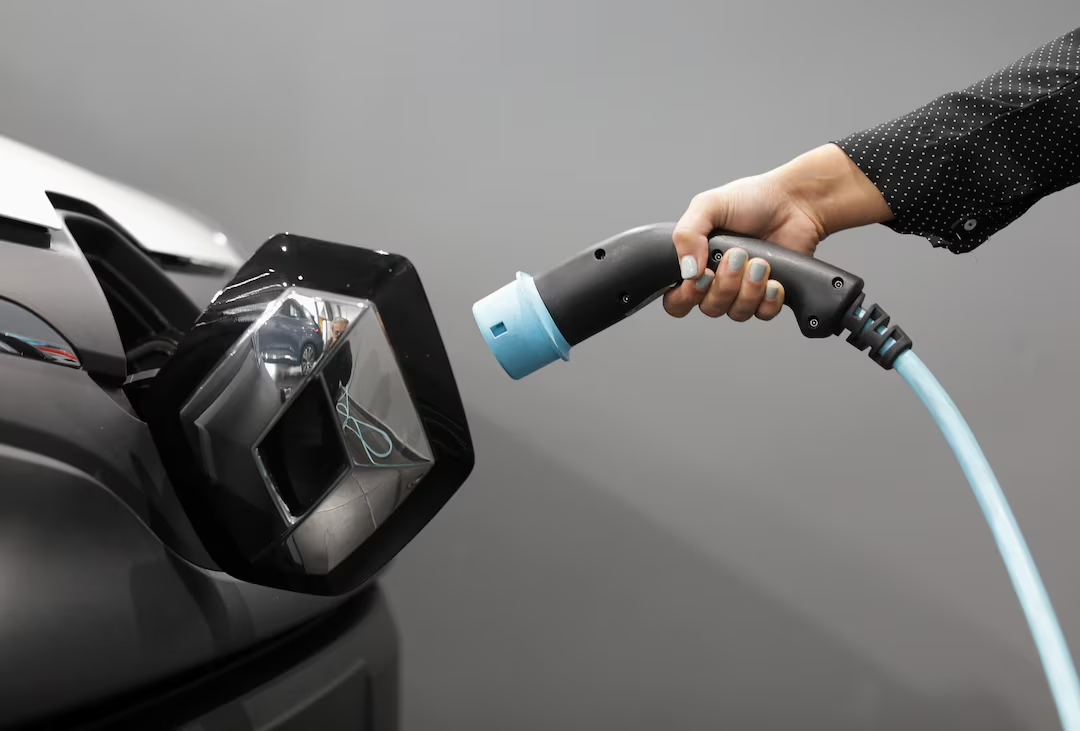
Impact
For Automakers
Reduced regulatory pressure gives companies more time to balance EV and hybrid production.
Investments may shift back toward improving efficient ICE and hybrid technologies.
European brands may slow down aggressive EV-only strategies.
For Consumers
Gasoline and hybrid vehicles will remain available beyond 2035.
Greater flexibility in choosing between EVs, hybrids, and highly efficient ICE models.
For the EV Transition
EV adoption in Europe may slow, especially in price-sensitive markets.
Charging-infrastructure development may face reduced urgency.
For Climate Goals
The softened target could delay the EU’s net-zero ambitions.
Environmental groups criticize the move as a setback to clean-transport progress.