


According to recent reports, the EU will move away from its original proposal of a 100% ban on new internal-combustion engine (ICE) vehicle sales by 2035. The revised policy will allow continued sales of ICE and hybrid vehicles as long as manufacturers meet a 90% emissions-reduction target compared with today’s levels. This policy shift comes after strong opposition from Germany, Italy, and several major automakers, who argued that a total ban was unrealistic given current EV adoption rates, charging-infrastructure gaps, and the financial burden on both industry and consumers. (Reported by Reuters) Impact For Automakers Reduced regulatory pressure gives companies more time to balance EV and hybrid production. Investments may […]
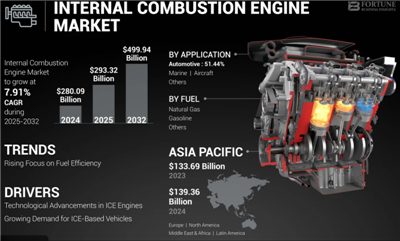
EY’s 2025 Mobility Consumer Index (MCI) indicates that 50% of global car buyers now prefer a new or used gasoline/diesel vehicle for their next purchase-an increase of more than 13 percentage points compared with last year. Meanwhile, interest in battery-electric vehicles (BEVs) and hybrids declined by approximately 10 and 5 percentage points, respectively. Key reasons highlighted in the report include: Policy fluctuations in major markets, notably the U.S. rollback of fuel-economy standards and Europe’s reevaluation of its 2035 combustion-engine phase-out target. Infrastructure challenges, especially insufficient fast-charging networks in many countries. Cost sensitivity, as EV prices remain higher in many regions despite incentives. Consumer priorities shifting-in China, for example, buyers increasingly […]
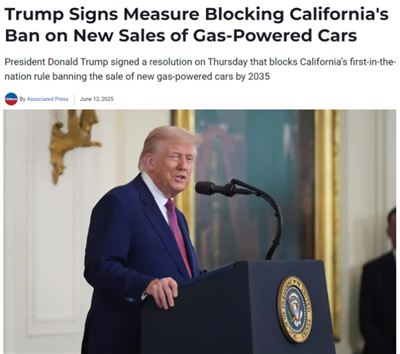
According to the National Highway Traffic Safety Administration (NHTSA), the proposed rule would sharply ease fuel-efficiency standards for model years 2022–2031. It would also phase out the “fuel-economy credit trading system” by 2028, making it easier for automakers to comply without investing heavily in fuel-efficient or electric vehicles. Supporters-including Ford Motor Company and Stellantis-argue the rollback will help reduce vehicle production costs and lower car prices for consumers. Critics warn the move will increase fuel consumption, raise pollution levels, and hinder climate-change efforts. Source: Reuters Impact For Consumers New vehicles may become cheaper due to lower compliance costs. However, higher long-term fuel expenses due to lower MPG. For EV Makers […]

Germany, along with several EU member states, believes that due to slower-than-expected EV adoption, rising market competition, and diverse consumer needs, automakers should be granted more flexibility in their powertrain strategies. 🔎 Impact Short-term boost for traditional automakers: If the EU eases emission rules or extends the transition period, manufacturers of hybrid and advanced combustion engine vehicles would benefit. Increased pressure on pure EV makers: A policy relaxation could slow down the market’s shift toward fully electric vehicles, creating a more competitive environment for EV-only brands. More choices for consumers: Buyers may not be forced to choose fully electric vehicles. Hybrids, plug-in hybrids, and efficient ICE models could remain viable […]

ZF systematically presented its “full matrix” of future-oriented products and technologies, which can be broken down into four key areas: Electrification Solutions: Key Exhibits: Independent repair and remanufacturing solutions for critical EV components, including e-drive axles, power batteries, power electronics (inverters), and thermal management systems. Highlight: Emphasized “disaggregated repair” capabilities for e-drive systems, moving beyond complete assembly replacement. This reduces repair costs for customers and opens up new business opportunities for workshops. Intelligent & Automated Driving Products: Key Exhibits: Focused on calibration and repair solutions for Advanced Driver-Assistance Systems (ADAS), including calibration equipment, software, and training for sensors (cameras, radars). Highlight: Showcased intelligent chassis systems with sensor fusion capabilities, such […]
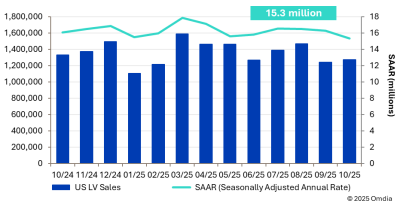
According to the latest forecast from Cox Automotive, U.S. new light-vehicle sales in October 2025 reached an annualized rate (SAAR) of around 15.3 million, down from 16.4 million in September and 16.1 million a year earlier. EV (electric vehicle) sales dropped sharply after a sudden spike in September. Estimated EV sales in October were around 74,835 units, significantly lower both year-over-year and month-over-month. EV market share also fell drastically – from ~11–12% in September down to around 5.2–5.8% in October. The major cause: the expiration of the federal EV tax credit on September 30th. Many consumers rushed to buy EVs before the deadline, causing demand to collapse the following month. […]