


According to Nikkei News, the European Union’s tariffs on Chinese electric vehicles have officially come into effect, sparking widespread condemnation from the German auto industry. Industry leaders have expressed that this move represents a further blow to an already struggling German automotive sector, describing it as a “fatal strike.” The German Automotive Industry Association (VDA) has strongly opposed the EU’s decision, stating that the tariff policy will stifle market competition, harm consumer interests, and potentially lead to a loss of investment and job opportunities within the automotive industry. A spokesperson for the association emphasized that German car manufacturers are already striving to transition to electric vehicles, and this unfavorable government […]

On October 30, 2023, Hyundai Motor Company revealed its latest hydrogen fuel cell concept car, INITIUM, during a grand launch event. This model not only showcases Hyundai’s cutting-edge innovations in hydrogen technology but also offers a fresh perspective on future sustainable transportation solutions. INITIUM features Hyundai’s latest hydrogen fuel cell technology, providing high efficiency and environmental performance. The design is inspired by the travel needs of future cities, focusing on smart and user-friendly experiences. The interior is equipped with an advanced onboard system capable of intelligent connectivity and efficient navigation. Hyundai plans to launch the production version of the hydrogen fuel cell car based on the INITIUM concept in […]
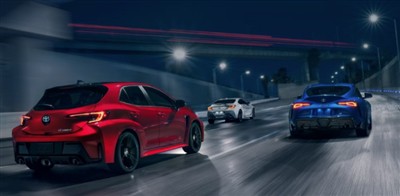
On October 30, Japan’s Suzuki Motor and Toyota Motor said in a statement that Suzuki Motor’s Indian subsidiary will supply Toyota Motor with its first electric vehicle. Boosted by the news, Maruti Suzuki’s shares rose by about 4%, close to the intraday high. Maruti Suzuki, which is controlled by Suzuki Motor, will start producing the electric vehicle at its plant in Gujarat, western India, in the spring of 2025. The plant plans to add a fourth production line, which will be used only for the production of electric vehicles, with an annual production capacity of 250,000 vehicles. Suzuki has no plans to produce the model anywhere else except the Gujarat […]

On October 29, 2023, the European Commission officially announced the conclusion of its anti-subsidy investigation into Chinese electric vehicles and decided to impose a five-year final tariff on pure electric vehicles imported from China. This decision was published in the EU’s official gazette, meaning the tariffs will take effect on October 30. The investigation was initiated due to concerns over the rapid expansion of the Chinese electric vehicle market and its potential impact on the EU automotive industry. The European Commission believes that Chinese EV manufacturers have an unfair competitive advantage, partly due to subsidies provided by the Chinese government to their electric vehicle sector. This decision by the […]
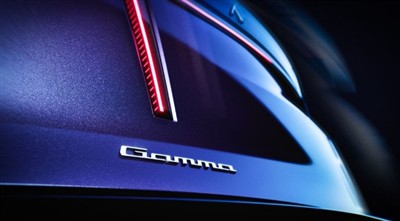
Automaker Stellantis announced today that its plant in Melfi, southern Italy, will begin production of the all-new Lancia Gamma mid-size car starting in 2026. This decision marks a significant step in revitalizing the Lancia brand and aims to re-establish its presence in the market. The CEO of Stellantis stated, “We are confident in the future of Lancia. The Gamma mid-size car will be a key milestone for the brand. We will leverage the advanced production technology at the Melfi plant to ensure the Gamma excels in quality and performance.” The Melfi plant is an important production base for Stellantis in Italy and has made several investments in electrification and […]
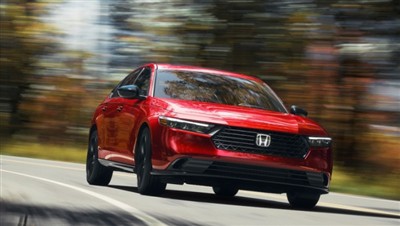
Honda Motor Co. has announced a recall of approximately 780,000 vehicles in North America to address the risk of cracks in high-pressure fuel pumps that could lead to fuel leaks. This recall involves 720,000 vehicles in the U.S. market and about 61,000 in Canada. In a statement, Honda confirmed that some models had been found to have fuel leak and odor issues, prompting the company to halt shipments of the affected vehicles since September this year to prevent potential safety hazards. The recall aims to protect consumer safety and ensure the reliability of the vehicles. Consumers are advised to contact Honda dealerships as soon as possible for more information […]