
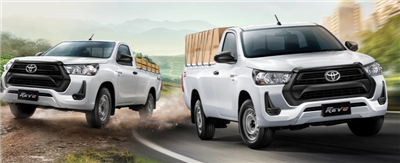
According to foreign media reports, Thailand is working hard to provide guarantees for pickup loans recently. Pickup trucks occupy a key position in Thailand’s auto manufacturing industry, which Thailand has taken to boost the downturn in the auto industry, with production falling to its lowest level in four years in 2024. Before the Bangkok International Auto Show on March 26, the Thai government announced that it would provide a support program worth 5 billion baht (about 147.8 million US dollars) over the next seven years. “The plan will reduce credit risks and […]
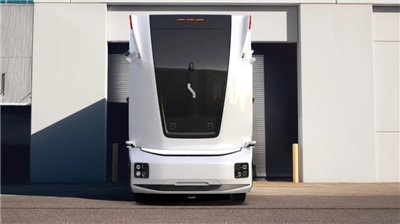
According to foreign media reports, Swedish driverless truck startup Einride is discussing with banks about listing on the U.S. stock market later this year. Einride’s major shareholders include private equity firm EQT and US investment management firm Capital Group, which may be listed as early as this fall, people familiar with the matter said. With the market’s strong interest in autonomous driving and artificial intelligence technologies, the company is also seeking to raise at least $200 million in a round of financing ahead of its IPO. The financing could […]
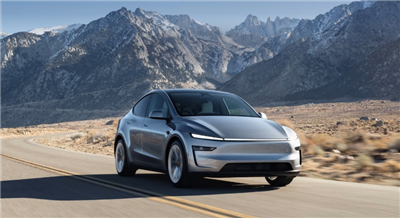
According to foreign media reports, on March 18, Eric Nicholl, executive director of the Vancouver International Auto Show, said that Tesla’s qualifications for exhibitions have been cancelled due to safety concerns. Eric Nicholl said in a statement that the auto show organizers asked Tesla to withdraw mainly for the safety of staff, visitors and exhibitors. “This decision allows all exhibitors to devote themselves to the auto show,” the statement said. Nicholl also said that the organizer of the auto show previously gave Tesla “a chance to voluntarily withdraw […]
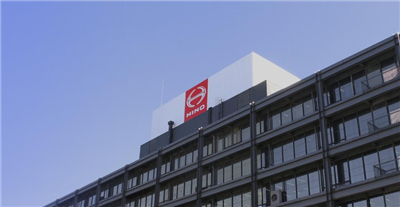
According to foreign media reports, the U.S. Department of Justice said that on March 19, Hino Motors, a subsidiary of Toyota Motors, pleaded guilty to its years-long emission fraud in the United States and had to pay a $1.6 billion fine. District Court Judge Mark Goldsmith of Detroit, U.S. District Court accepted Hino Automobile’s plea and sentenced the company to a fine of $521.76 million, while banning Hino Automobile from importing its diesel engines to the United States for five years. At the same time, the court also made a judgment to confiscate the company’s $1.087 […]
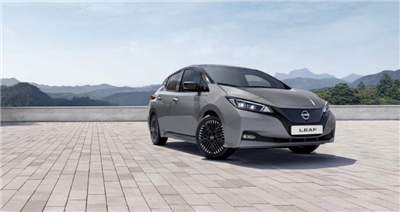
According to foreign media reports, on March 19, South Korean battery maker SK On announced that it had signed a battery supply contract with Japanese automaker Nissan. Nissan thus became SK On’s first Japanese automaker customer. SK On’s contract with Nissan is six years, starting from 2028 to 2033. During this period, SK On will supply Nissan with a total of 99.4 GWh batteries, which roughly meets the battery needs of about 1 million mid-sized electric vehicles. The batteries supplied by SK On for Nissan are […]
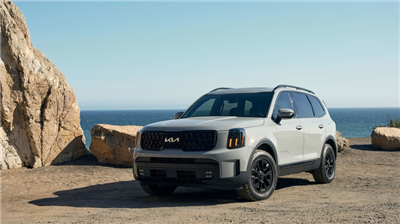
According to foreign media reports, in February, as hybrid cars boosted international market demand, South Korea’s automobile exports soared to an all-time high. The South Korean auto industry has shown extraordinary resilience as the United States introduces worrisome tariffs, with its output and domestic sales also rising significantly. According to the latest report from the Ministry of Industry, Trade and Resources of South Korea, in February, South Korea’s automobile production increased by 17.1% year-on-year to 352,000 vehicles, the first time that the monthly production of South Korea’s automobiles exceeded 350,000 vehicles in more than a […]