

 According to the latest forecast from Cox Automotive, U.S. new light-vehicle sales in October 2025 reached an annualized rate (SAAR) of around 15.3 million, down from 16.4 million in September and 16.1 million a year earlier.
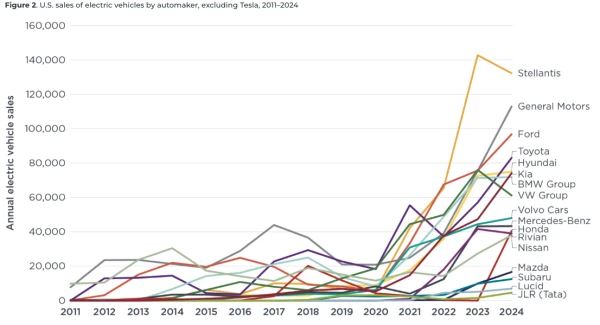
EV (electric vehicle) sales dropped sharply after a sudden spike in September. Estimated EV sales in October were around 74,835 units, significantly lower both year-over-year and month-over-month.
EV market share also fell drastically – from ~11–12% in September down to around 5.2–5.8% in October.
The major cause: the expiration of the federal EV tax credit on September 30th. Many consumers rushed to buy EVs before the deadline, causing demand to collapse the following month.
Key Impacts
1. Pressure on Automakers & Dealerships
Lower EV demand + high interest rates for auto loans = slower showroom traffic.
Inventory and cash-flow pressure will increase, affecting production and orders.
2. Weaker Consumer Motivation
Without tax incentives, EV affordability drops significantly.
Gasoline vehicles remain expensive due to tariffs and supply chain costs.
Many buyers choose to delay purchases, waiting for better deals.
3. Ripple Effects on the Entire Industry
Suppliers may face reduced orders.
Finance companies may see slower loan and leasing activity.
Insurance and after-sales services may also experience reduced new-vehicle inflow.
4. Long-Term Market Signal
The U.S. EV transition is still moving forward but has entered a “slower and more cautious” phase.
Car companies will need stronger product updates, value positioning, and pricing strategies to maintain competitiveness.