

Technical guides for repair professionals and B2B buyers, from tool selection and inspection to procurement, quality control, and after-sales support.
30
Jun
2026
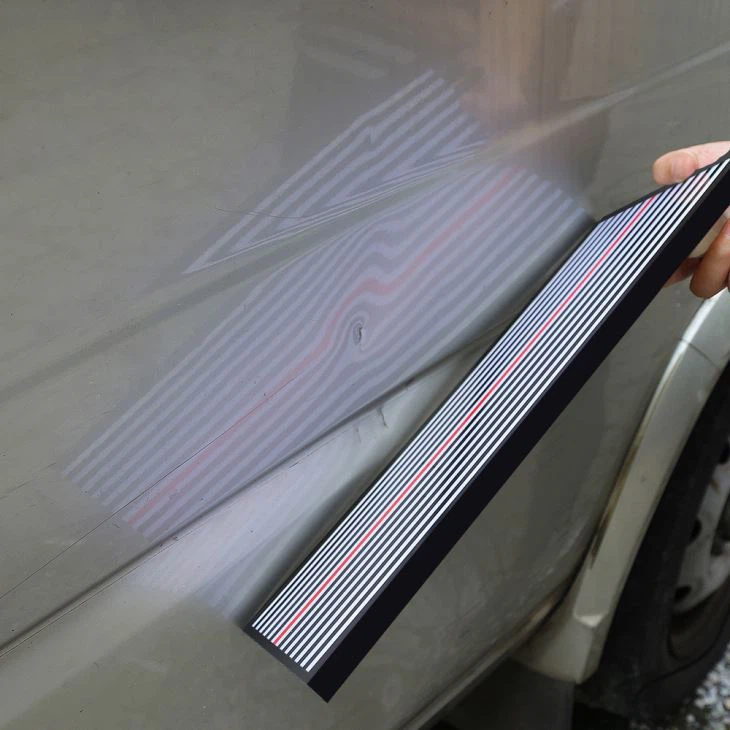
How to Read a PDR Line Board: Reflection Patterns, Low Spots, High Spots, and Finishing Control
A PDR line board reveals changes in the reflected pattern, not a direct depth measurement. Establish a stable view of sound and damaged metal, compare the local distortion, then cross-check from another angle before choosing or continuing a...
+
Seguir leyendo

30
Jun
2026
PDR Tool Selection Guide: Rods, Hooks, Glue Pullers, Slide Hammers, Lifters, and Line Boards
A tool-selection guide mapping rods, hooks, glue pullers, slide hammers, lifters, knockdowns, and line boards to access route, dent shape, and buyer type.
+
Seguir leyendo

26
Jun
2026
What Dents Can Be Repaired With PDR? A Repairability Matrix for Technicians and Buyers
A repairability matrix that explains which dents are suitable for PDR, which conditions create risk, and which Super PDR tool path fits each repair route.
+
Seguir leyendo
24
Jun
2026
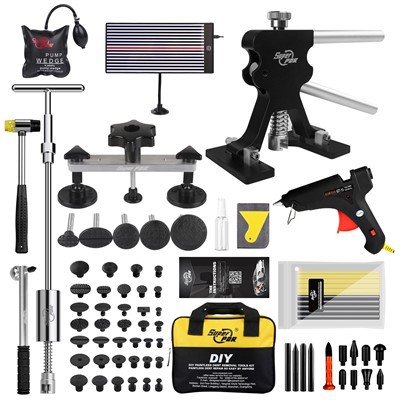
PDR Glue Pulling Troubleshooting: Why Tabs Do Not Stick and How to Control Pull Strength
Inspect paint and repair suitability first. Diagnose where the bond released, then check cleaning, adhesive instructions, tab contact and pull alignment one variable at a time. Re-read the reflection after each correction rather than increasing force to compensate...
+
Seguir leyendo
25
Mar
2026
Cómo crear un conjunto básico de PDR profesional: Funciones de las herramientas, lógica de acceso y ruta de actualización
En este artículo se explica cómo crear un conjunto inicial de PDR práctico evaluando las funciones de las herramientas, la lógica de acceso, la cobertura, la planificación de actualizaciones y la coherencia de las adquisiciones.
+
Seguir leyendo
25
Mar
2026
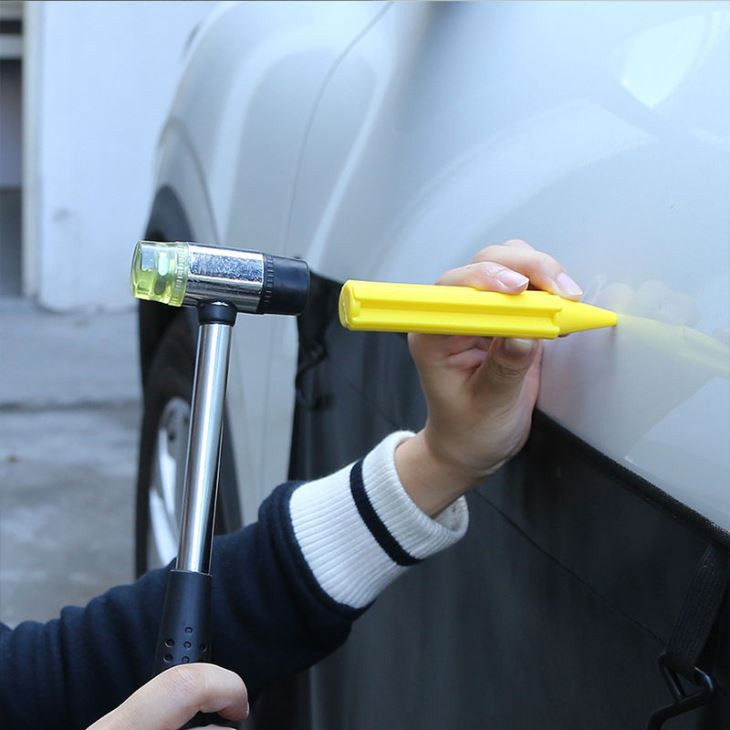
Tiraje de cola en PDR: selección de lengüetas, control del adhesivo y liberación segura de la fuerza
Este artículo explica cómo el tamaño de la lengüeta, el control del adhesivo, la estrategia de arrastre y la liberación segura afectan a la repetibilidad, la seguridad de la superficie y la carga de trabajo de acabado en los flujos de trabajo de arrastre de cola.
+
Seguir leyendo