

PDR Rod Steel 101: Material, Heat Treatment, Hardness (HRC) & Durability
PDR tools look simple, but performance depends heavily on material selection and heat treatment. If you’re buying professional rods, the real question is consistency: predictable flex, stable tips, and long-term durability.
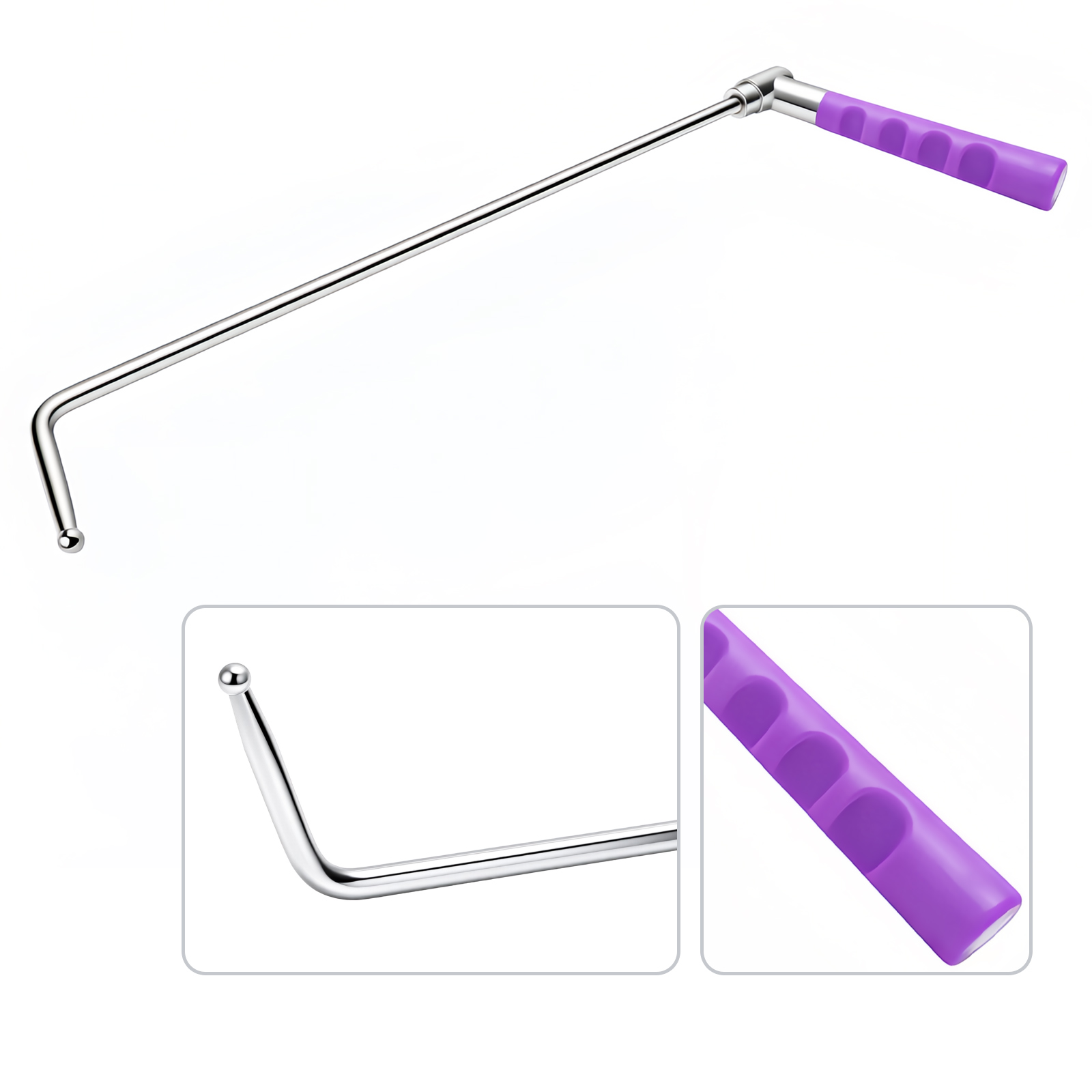
3.1 What pros need from a PDR rod
A good rod should:
- resist permanent bending under load,
- flex and spring back predictably,
- maintain tip stability,
- feel consistent across tools in the same set.
3.2 Material families (what “good steel” means)
Many high-performance rods use spring-steel concepts: controlled composition plus heat treatment to balance strength and elasticity. Ordinary steel may bend too easily or feel “dead” in feedback.
3.3 Heat treatment matters more than the steel name
Heat treatment controls:
- rebound behavior,
- toughness,
- resistance to taking a “set.”
Two rods can look similar but behave differently if heat treatment differs.
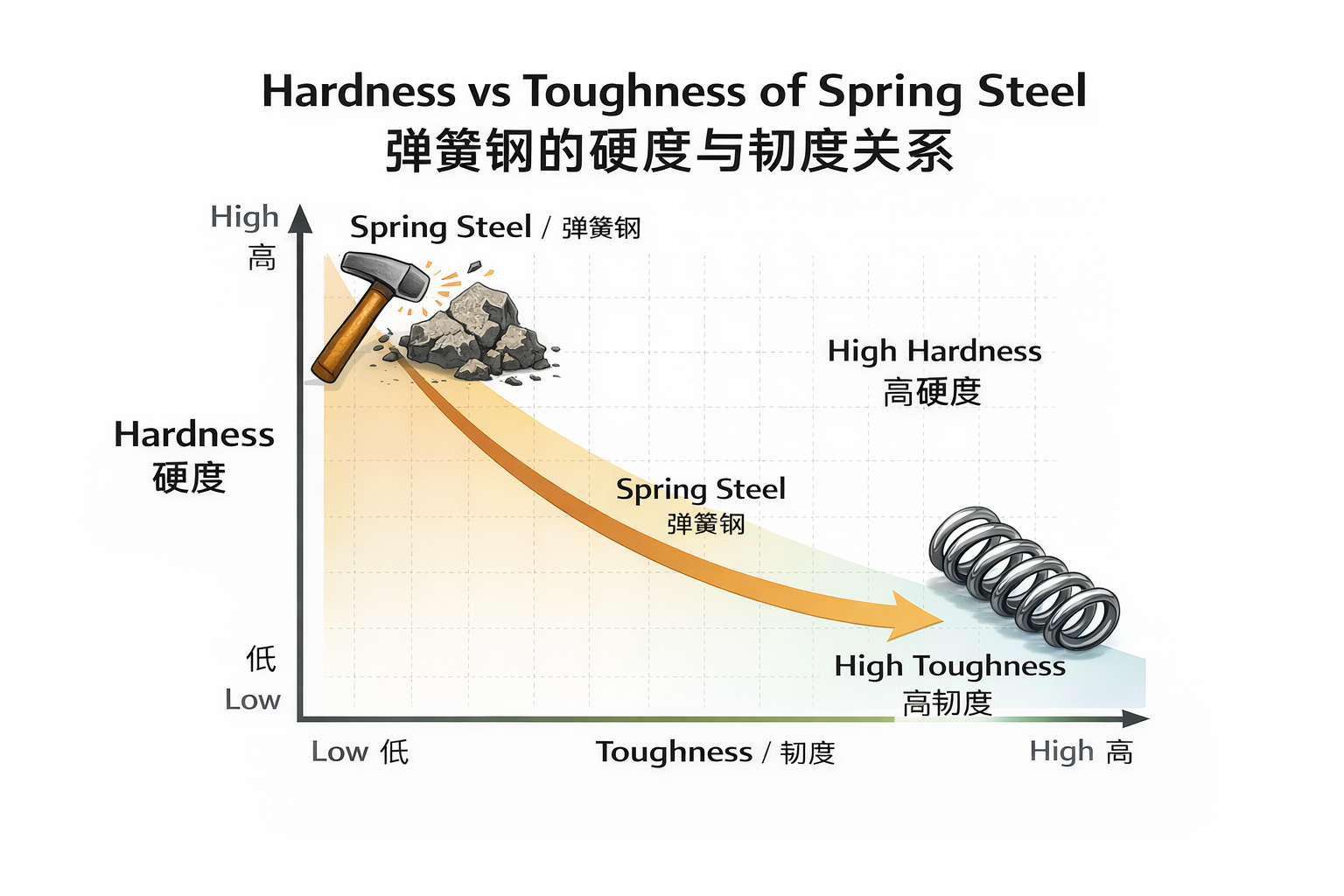
3.4 Hardness (HRC): useful indicator, not the whole story
Hardness can correlate with wear resistance and feel, but hardness alone does not ensure toughness. Extreme hardness without toughness can increase brittleness.
A professional buying mindset:
- use hardness as one QC check,
- also verify consistency and process control.
3.5 What to ask a supplier (minimum QC questions)
- steel family (spring/tool/alloy category),
- heat treatment approach,
- hardness sampling method (if provided),
- straightness and finish QC,
- batch consistency and traceability.
Checklist
- Material family stated
- Heat treatment approach described
- QC checks defined (straightness/finish/hardness sampling)
- Batch consistency process documented
- Traceability available
FAQ
Q1: Is higher hardness always better?
A: No. Hardness must be balanced with toughness and elastic behavior.
Q2: Why do rods feel different even if they look the same?
A: Heat treatment and geometry consistency change flex and feedback.
Q3: What should wholesalers verify first?
A: Consistency and QC process—then specs.