

Quick answer
Store windshield repair resin according to the exact product's instructions, retain its identity and batch information, and distinguish unopened shelf life from any conditions after opening. Do not apply another brand's expiry period or assume that an unmarked bottle remains usable because the resin still looks clear. Uncertain or contaminated material should be held out of use until its status is resolved.
This guide proposes a practical stock-control system for shops and distributors. Material-specific technical and safety information remains the authority for storage, handling, and disposal.
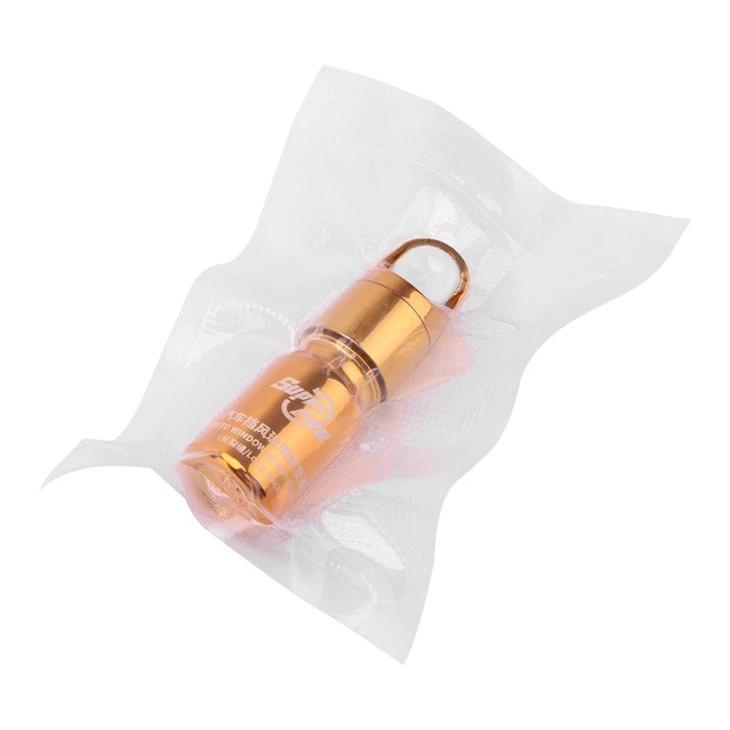
One shelf-life number does not cover every bottle
Shelf life belongs to a defined product and packaging condition. Ask what starts the clock, what storage conditions are assumed, and whether opening changes the use period or handling requirements. A date on an invoice is not necessarily a manufacture date or expiry date.
Delta Kits' resin shelf-life Q&A distinguishes its guidance by bottle size. That is a useful reminder to preserve packaging context, not a basis for assigning the same life to a SuperPDR resin.
If a date code is unclear, ask the supplier to interpret it. Do not convert a batch code into a guessed expiry date or extend a date because a bottle has not yet been opened.
Create a material identity record
| Field | What to retain | Purpose |
|---|---|---|
| Product | Exact name, reference, and intended repair stage | Prevents filling resin and finishing resin being confused |
| Batch | Manufacturer's lot or batch identifier where supplied | Connects a quality question to the stock used |
| Packaging | Bottle size, closure, and label version | Preserves the context of storage and life guidance |
| Dates | Receipt, expiry where specified, and opening date | Separates logistics from material-use limits |
| Instructions | Current technical information and SDS | Supports correct handling and review |
| Status | Available, issued, held, returned, or disposed | Prevents uncertain material re-entering usable stock |
This is an administrative framework, not a chemical test. A complete record helps identify uncertainty but does not prove that a resin is still fit for use after improper storage.
Control the actual storage location
Check the manufacturer's permitted conditions and select a location that can maintain them. A vehicle, window ledge, or open shelf near an active curing source may not provide the same conditions as the storage area specified by the supplier.
Keep containers closed and protected as instructed. Do not introduce an unsupported refrigeration rule, heating step, or decanting practice. Different products and packaging can have different requirements.
For a mobile technician, include transit and time parked at the job in the storage plan. If a known storage excursion occurs, record the product, duration if known, conditions, and supplier advice. Do not simply return the bottle to the usual shelf and erase the event from its history.
Separate opened stock and bulk stock
Where opening is permitted, record the date and keep the original identity with the container. Avoid unmarked secondary bottles. If a manufacturer authorizes transfer into another container, follow its container, labeling, handling, and life requirements.
Do not top up an old bottle with new resin or mix products to avoid waste unless the manufacturer explicitly authorizes the practice. Combining material can destroy batch traceability and introduce uncertainty about condition and formulation.
Issue stock in an order that respects the earliest applicable expiry or approved use limit. First received is not always first to expire. Keep held material physically or administratively separated so it cannot be selected during a busy service period.
Manage a concern without guessing the cause
If an operator reports unexpected material behavior, preserve the product identity, batch, storage history, and repair-system configuration. Inspect and test only as the manufacturer permits. Do not diagnose every problem as expired resin; application, equipment, compatibility, or repair conditions may also be involved.
Hold the affected material while its status is checked. If more than one bottle shares the same concern, identify the scope from the actual batch and handling record. Avoid unnecessarily classifying unrelated stock as defective, but do not continue using an unresolved batch merely because some previous jobs appeared acceptable.
For safety information, use the exact SDS. The Delta Kits system-instruction library illustrates how a supplier can group kit contents, instructions, and safety documentation. Buyers should request equivalent product-specific documentation for their own system, not borrow another resin's SDS.
Illustrative stock rotation decision
A distributor has two shipments of the same nominal resin. The older receipt has a later stated expiry than the newer receipt because the manufacturing batches differ. Rotating only by arrival date would use the wrong priority.
The better decision is to compare the applicable expiry and use status, then issue suitable stock accordingly. If one bottle has a documented storage concern, it remains held even if its printed date is later. Neither the date nor visual clarity cancels the concern.
This example illustrates stock control. It does not establish a safe storage temperature, a shelf-life extension, or a chemical acceptance test.
Connect stock control to the job and the reorder
Where practical, link the issued resin batch to the repair or workstation record. This makes a later technical question easier to investigate without claiming that traceability itself guarantees repair quality.
For a SuperPDR material enquiry, request the exact product identity, intended function, packaging, date-code explanation, storage requirements, and relevant technical and safety documents. Confirm the information again when the formulation or packaging changes.
Order quantities should fit expected use and the permitted storage period. Buying a larger bottle may reduce purchase cost per unit of volume, but it is not a saving if material cannot be used within its approved conditions or loses its identity during distribution.